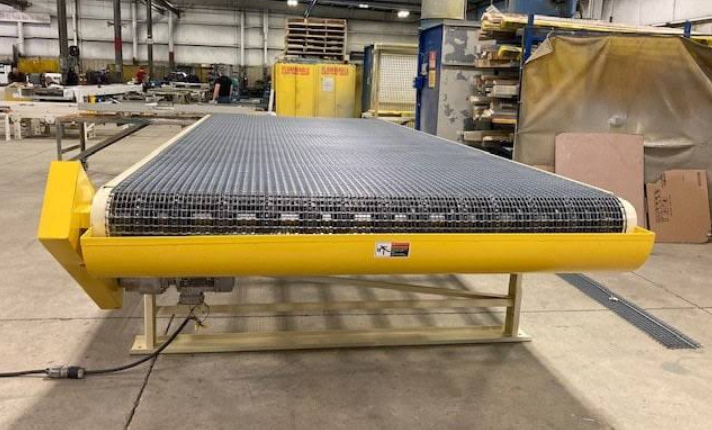

Modern innovations are not always defined by advanced technology or complicated systems. Many practical improvements come from rethinking how everyday products and structures are designed. From kitchen appliances and modular furniture to transport systems and smart home equipment, effective design focuses on functionality, durability, and ease of use. These principles are also reflected in industrial components such as the Flat Wire Conveyor Belt, which demonstrates how thoughtful structural design can support practical requirements across different applications.
The Importance of Functional Design in Everyday Innovations
Modern product development places considerable importance on how well a design performs its intended function. A product may look appealing, but its long-term value often depends on its usability, reliability, and ability to meet changing requirements. This is why designers increasingly focus on practical features rather than unnecessary complexity.
Consider everyday examples such as foldable furniture, adjustable storage systems, and compact household appliances. Their designs aim to make better use of available space while maintaining convenience and functionality. Similar thinking is applied in engineering, where the arrangement of materials and components can influence the overall performance of a product.
The main principle is to create a structure that serves its purpose efficiently without adding unnecessary elements. This approach connects everyday product innovation with the development of functional equipment and mechanical systems.
Understanding Flat Wire Conveyor Belt Design
A Flat Wire Conveyor Belt is a metal conveyor belt constructed using flat metal strips connected through cross rods. This arrangement creates an open mesh surface that allows air, liquids, and other materials to pass through the openings. Its construction makes it suitable for applications where ventilation, drainage, or easy cleaning is required.
One important feature of this design is its balance between an open structure and functional support. The flat metal strips provide a surface for carrying products, while the connecting rods hold the arrangement together. Depending on the specifications, different materials, openings, and dimensions can be selected to meet particular operating requirements.
This design illustrates how the thoughtful arrangement of relatively simple components can produce a practical solution. Similar principles can be found in many modern products, where individual elements are designed to work together rather than relying on a single complicated structure.
How Material Selection Influences Performance
Material selection is an important part of developing reliable products and equipment. Different environments place different demands on materials, including exposure to moisture, temperature changes, cleaning chemicals, and regular mechanical stress.
In metal conveyor belt applications, stainless steel is commonly used when corrosion resistance, durability, and hygiene are important considerations. Other material options may be suitable depending on the operating environment and the type of products being handled.
The construction of a Flat Wire Conveyor Belt also allows designers to consider factors such as strip thickness, spacing, and belt dimensions. These details influence load support, airflow, and the movement of products across the surface. Selecting suitable specifications requires an understanding of both the equipment and its intended application.
This reflects a wider principle in modern design: choosing the right materials is just as important as developing the overall shape or appearance of a product.
The Connection Between Open Design and Practical Efficiency
Open structures are used in various areas of modern design because they can provide functional benefits without requiring a completely solid surface. Ventilated furniture, perforated architectural panels, and mesh storage systems are common examples.
In conveyor applications, an open structure can help improve airflow around products and allow liquids to drain through the belt. This can be particularly useful in processes involving washing, cooling, drying, or food handling. The amount of open space and the belt configuration determine how effectively these functions are supported.
However, open construction is not suitable for every application. Product size, weight, operating conditions, and surface support requirements must all be considered before selecting a particular design. Understanding these factors helps ensure that the equipment performs consistently without creating unnecessary operational challenges.
Adaptability as a Key Design Consideration
One of the defining characteristics of modern innovation is adaptability. Products and systems are increasingly expected to accommodate different requirements while maintaining dependable performance. This makes flexible design an important consideration during product development.
A Flat Wire Conveyor Belt can be configured in different widths, materials, and structural arrangements to suit specific applications. Such variations allow businesses to consider factors such as product dimensions, operating speed, cleaning requirements, and environmental conditions when selecting a suitable belt.
The same approach can be observed in everyday product design. Adjustable furniture, modular storage, and multipurpose equipment demonstrate how a basic concept can be modified to serve different needs. In each case, adaptability comes from understanding how the individual components can be arranged to achieve the desired result.
Conclusion
Modern everyday innovations share an important principle: good design combines functionality, appropriate material selection, and adaptability. The construction of a Flat Wire Conveyor Belt provides a practical example of how these principles are applied in engineering. Its open structure, interconnected components, and configurable specifications demonstrate the importance of designing products around their intended purpose.
For those exploring metal conveyor solutions, the Wire Belt Company is one example of a manufacturer working with different belt configurations and materials to address application-specific requirements. Ultimately, whether in everyday products or specialised equipment, effective innovation begins with understanding how thoughtful design can make functionality more practical and reliable.