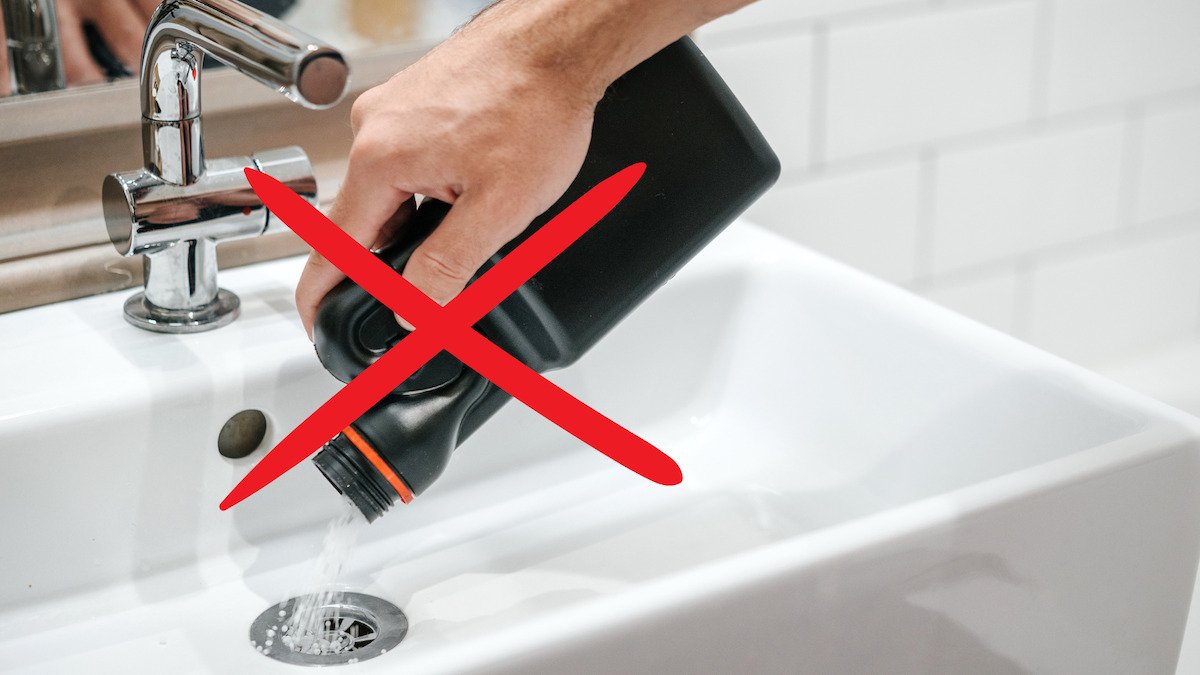
Chemical drain cleaners operate through caustic, oxidizing, or acidic reactions and should be used only when necessary and per label instructions. Proper ventilation, protective gear, and risk assessment are essential before any application. Avoid mixing products, follow step-by-step directions, and keep children distant; document outcomes after use. When spills, fumes, or plumbing issues occur, implement a pre-planned response and seek professional assessment to protect the system and surrounding safety. The stakes behind these choices are higher than they appear.
What Chemical Drain Cleaners Do and When to Use Them
Chemical drain cleaners are designed to dissolve and dislodge organic and inorganic blockages, typically achieving this through caustic, oxidizing, or acidic reactions. These products offer rapid, localized processing but carry predictable hazards. Drain cleaner safety hinges on proper use, ventilation, and PPE; chemical reactions risks include heat generation, splatter, and gas release. Effectively selecting conditions minimizes damage to pipes and surrounding environments.
How to Read Labels, Choose Safer Options, and Prep for Use
To read labels effectively, users should interpret ingredient lists, warnings, and usage directions with a focus on compatibility with the piping system and drainage scenario. Read safety symbols, inspect labels, and choose alternatives when appropriate. Understand disposal guidelines, and consider non chemical methods. Prep includes confirming ventilation, protective gear, and storage away from children, while evaluating safer options and preparation steps.
Step-By-Step Safety and Application Practices
Step-By-Step Safety and Application Practices should begin with a careful setup that reinforces the prior guidance on labeling and safer options while establishing a clear procedural framework. The procedure emphasizes clear labeling verification, controlled chemical exposure, and sequential application. Ventilation steps are required, ensuring cross-ventilated spaces and minimal inhalation risk. Follow manufacturer timing, rinse thoroughly, and document observations for safety accountability and evidence-based practice.
What to Do if Accidents Happen: Spills, Fumes, and Plumbing Issues
In the event of accidents, immediate, methodical response reduces exposure and damage: spills, fumes, and plumbing issues require a predefined sequence that prioritizes containment, ventilation, and communication. Spills response procedures should isolate the area, prevent run-off, and alert others; fumes handling emphasizes evacuating nonessential personnel and using appropriate protective equipment. Documentation, inspection, and professional assessment ensure safe restoration and future prevention.
See also: Green Technology and Sustainability
Frequently Asked Questions
Can Chemical Drain Cleaners Damage Septic Systems?
Chemical drain cleaners can harm septic systems by killing beneficial bacteria and disrupting digestion; enzymes are gentler. Regarding chemical disposal, professionals recommend avoiding harsh cleaners and opting for enzyme alternatives to protect system function and environmental safety.
Are Alternatives Like Baking Soda Effective for Clogs?
Baking soda effectiveness varies; it may help minor, organic clogs but is not a guaranteed solution. Alternatives clog remedies include mechanical removal or enzymatic products. For safety, prefer evidence-based methods and avoid hazardous chemical cleaners.
Do Children or Pets Require Special Precautions?
Children safety and pet precautions indicate special care: keep cleaners out of reach, use protective gear, vented areas, and follow label directions; store chemicals securely, supervise at all times, and consider alternatives for households with vulnerable individuals.
Can These Cleaners Be Used With Hair or Grease Clogs?
Yes, caution is advised; chemical drain cleaners are not recommended for hair clogs or grease clogs due to reaction risks and limited effectiveness. They may cause pipe damage or hazardous fumes; consider mechanical removal or professional services.
How Often Can I Safely Use Chemical Drain Cleaners?
The proper dilution depends on product labels; follow exactly. A safe schedule avoids frequent use; generally, do not exceed recommended intervals. What is the proper dilution, where to store safely, and avoid mixing with other chemicals to prevent hazards.
Conclusion
In the end, the safest path is the least dramatic: read the label, ventilate, and wear protection, then pause before pouring. Irony blooms as we celebrate “safe” cleaners that boast powerful chemistry yet require careful handling to prevent harm. When used properly, these products quietly respect plumbing and people; when misused, they loudly reveal the cost—spills, fumes, damage, and regret. A cautious, methodical approach remains the most persuasive safety measure, not bravado or hurried shortcuts.